
VISION PSYCHOLOGY

New in 2026
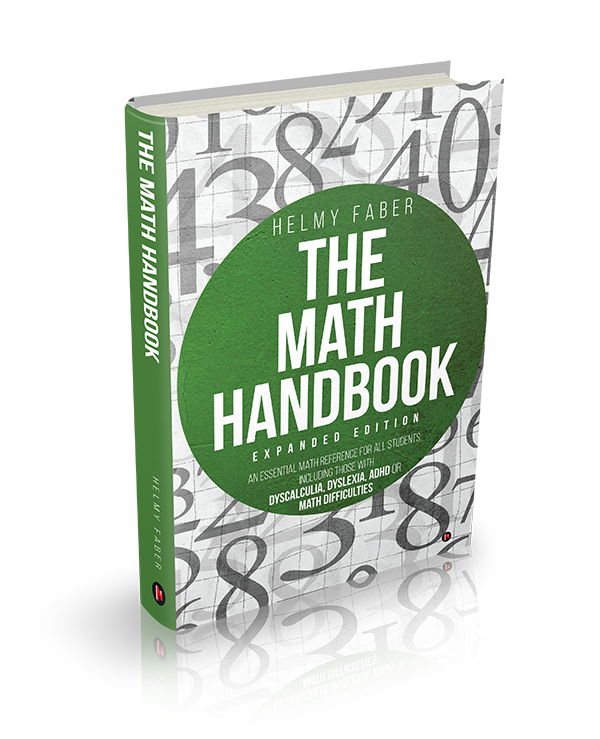
The Math Handbook – Expanded Edition (2026).
Introduction price paperback: $20
An essential math reference for all students, including those with Dyscalculia, Dyslexia, ADHD, math difficulties, or math anxiety.

Lim Choon Guan-IMH, Helmy Faber, Daniel Fung-IMH (2025) Living with Dyscalculia.
In this book, you will find insights from three leading experts in the fields of child psychiatry and educational psychology in Singapore, each bringing a wealth of knowledge and a unique perspective to the table. We delve into the origins of dyscalculia, exploring both the neurological and developmental aspects to give you a thorough understanding of the ‘why’ behind the challenges your child may be facing.
Vision Psychology Singapore offers psycho-educational assessments and tailored math intervention programs for individuals with learning difficulties, serving clients from age 6 through adulthood.
Range of Psycho-Educational Assessments and Interventions:
- Dyscalculia – The assessment will be conducted following the guidelines described in the ‘Dyscalculia Diagnostics Protocol – Singapore’.
- Dyslexia
- Intelligence Testing (IQ)
- Learning and Behavioural Difficulties
- School readiness for Primary/Elementary school
- Consultancy service for parents and educators
- Math-and Test Anxiety
- Dyscalculia Screening
- Dyslexia Screening
- Mathematics Intervention, from K2 onwards
All psycho-educational testing is tailored to the individual requirements of the student and conducted over 2 to 3 sessions.
Dyscalculia is a specific learning disorder in mathematics, characterized by severe and persistent difficulties in learning math, while the IQ mostly falls in the average range. Students who have already been diagnosed with other learning or developmental disorders such as dyslexia, ADHD, autism, dyspraxia, dysgraphia may have dyscalculia as well. Dyscalculia also occurs singly and students may experience math- and test anxiety as well.
Characteristics:
Kindergarten;
- Difficulties with counting forward and backward
Primary/Secondary school;
- Poor number sense
- Slow working pace
- Difficulties with basic addition, subtraction, multiplication and division
- Difficulties with sequences, math vocabulary
- Difficulties with mental math, telling time, handling money
- Difficulties understanding math concepts
- Reluctant to play math games
- Lack of progress compared to peers
Dyslexia is a specific learning disorder in reading and spelling; characterized by difficulties with phonological awareness, verbal memory, and verbal processing speed. Students with these difficulties may also have math difficulties or sometimes Dyscalculia. Among students who have been diagnosed with dyslexia, around 50-60% may have difficulties in math and a smaller percentage has dyscalculia.
Events: Exhibition on Dyscalculia and Math Difficulties
Support Group for individuals with Dyscalculia
